Milestone 1
Coming soon :)
Capstone
Overarching Theme: Development
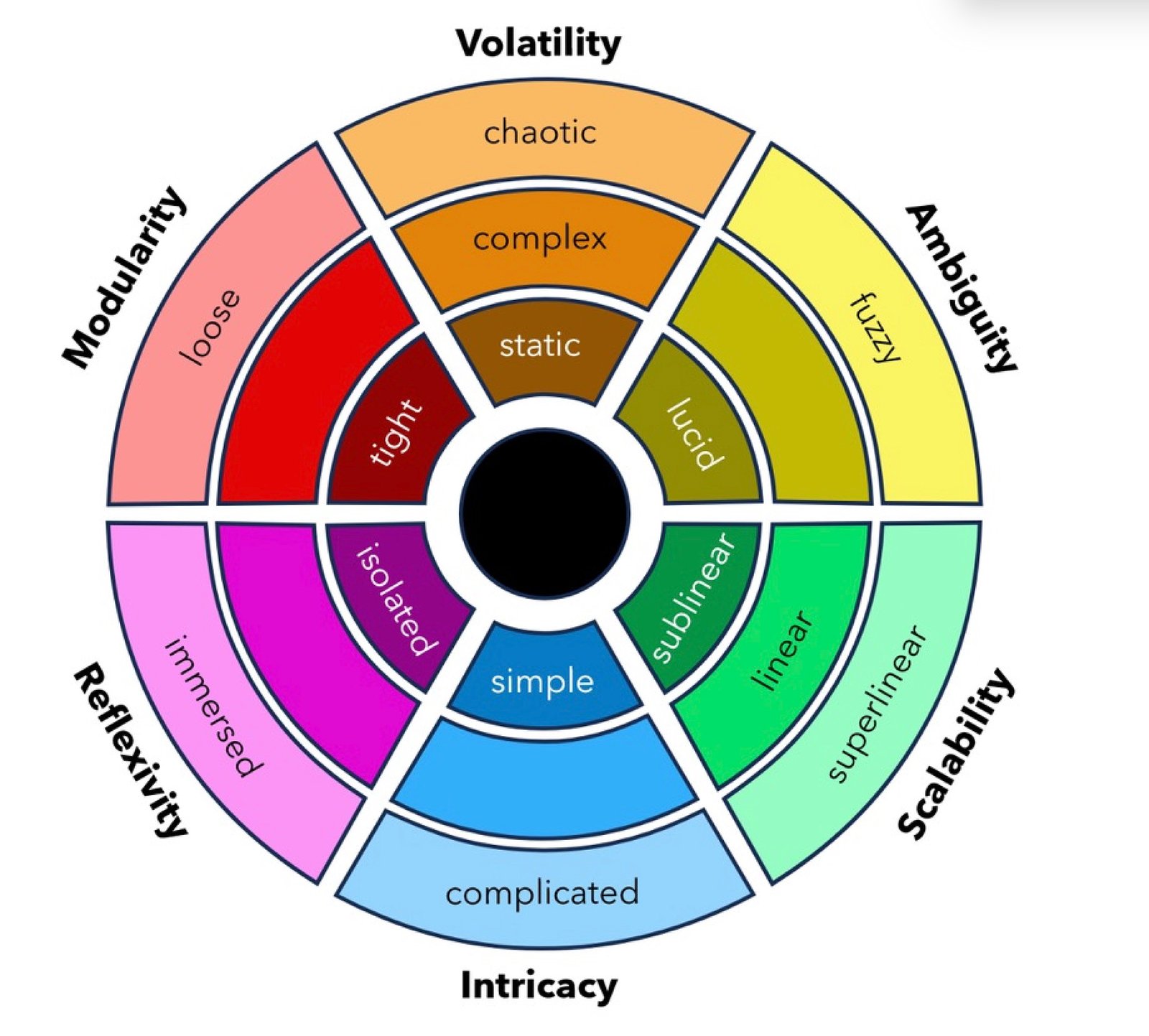
Wicked problems are complex, interconnected challenges that are difficult to clearly define and do not have a single or complete solution. They are often constantly changing, involve multiple stakeholders, and addressing one part of the problem can create unintended consequences elsewhere. Because these problems cross traditional boundaries, they require interdisciplinary approaches that bring together different areas of expertise, perspectives, and ways of thinking. Collaboration across disciplines allows for a more complete understanding of the problem and the development of more practical and adaptable solutions.
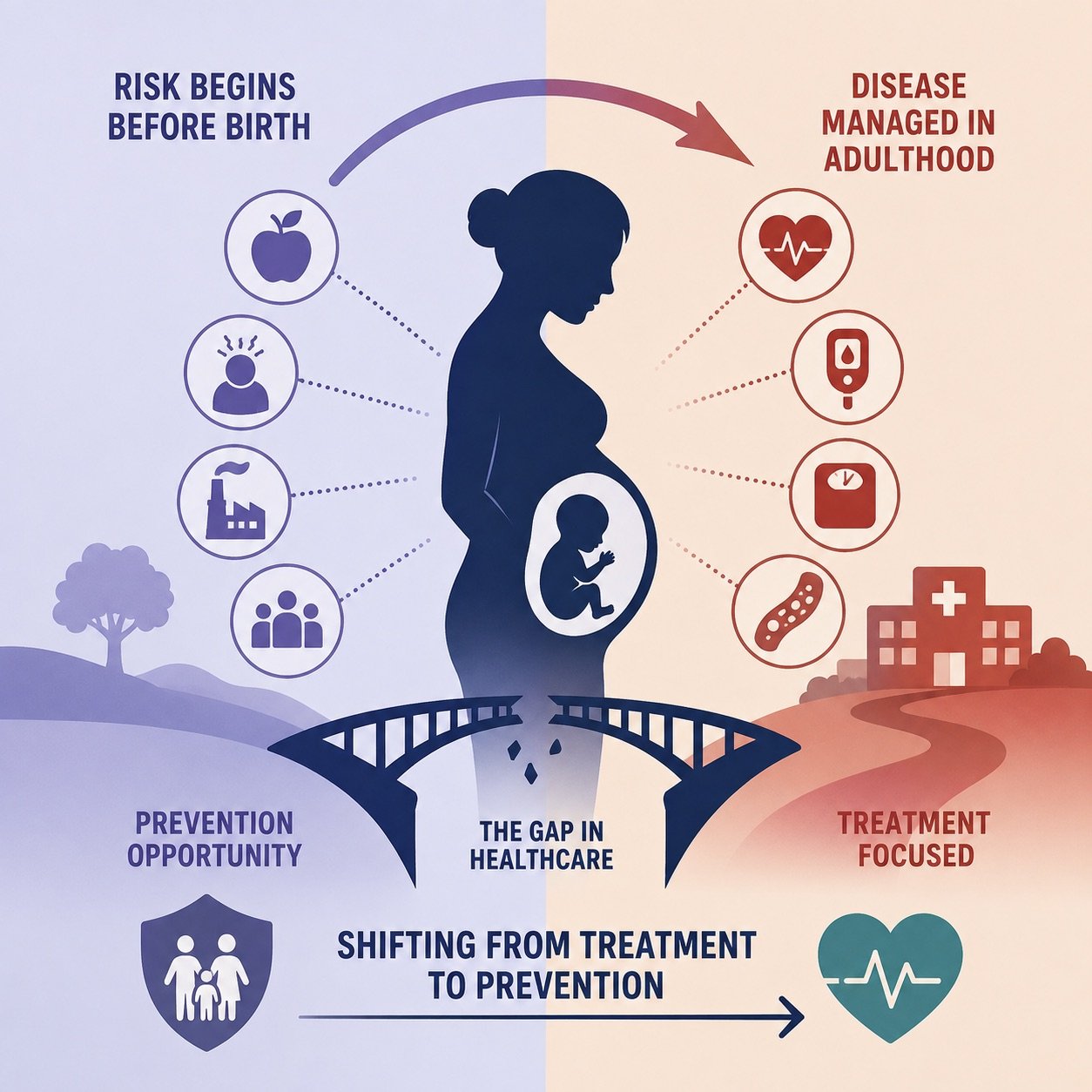
Our Wicked Problem
Our wicked problem is that healthcare systems prioritize the treatment of adult metabolic syndrome, even though biological susceptibility may originate before birth through fetal programming. Growing evidence from developmental biology suggests that maternal health, placental function, and the prenatal environment can influence lifelong metabolic health, yet healthcare systems remain largely focused on managing disease after it develops. This issue is considered wicked because its causes are multifactorial, involving complex interactions between biology, social determinants of health, and healthcare policy, with no single intervention or stakeholder able to solve it. Addressing this challenge requires interdisciplinary collaboration to shift healthcare from a reactive model toward one that emphasizes prevention across the life course.
Coming soon :)
Coming soon :)
Coming soon :)